Research Report
Samsung SDI (006400 KS/Buy)Valuation gap with global peers to narrow; raise TP to W450,000
- Author Chuljoong Kim
- Date Wed Oct 29 00:00:00 KST 2025
- Stock Code 006400
- File 20251029_Samsung SDI (006400 KS_Buy).pdf
Valuation gap with global peers to narrow; raise TP to W450,000
Raise TP to W450,000 (from W315,000)
We raise our target price for Samsung SDI to W450,000 (from W315,000), reflecting a significant upward revision to our outlook for the company’s ESS business. During its 3Q25 earnings call, the company disclosed plans to strengthen its competitiveness in the ESS segment, including through additional production line conversions in North America.
We now forecast ESS revenue at W3.8tr for 2026 and W6.5tr for 2027 (revised up by 36% and 72%, respectively). We also revised up our EBITDA estimates. Accordingly, we lifted our valuation of the ESS business to W30tr (from W13tr), applying a target EV/EBITDA of 15x (vs. global peer average of 25x) to 2027F EBITDA. We may revisit our target multiple if the company makes meaningful additions to its customer base (as domestic peers have done).
Sharp upward revisions to ESS earnings estimates
During its 3Q25 earnings call, Samsung SDI significantly raised its North American ESS production capacity target. The firm had previously guided ESS capacity in North America at 19?20GWh (in July), but this figure has now been raised by more than 50%. We believe the Stellantis joint venture’s Plant 4 (currently producing NCA batteries) is being converted to ESS-use LFP battery production. Accordingly, we now project ESS battery shipments to expand from 12GWh (1.5GWh in North America) in 2025 to 20GWh (9.3GWh in North America) in 2026 and 35GWh (24.4GWh in North America) in 2027. We also project ESS-related AMPC recognition to increase from W72bn in 2025 to W439bn in 2026 and to W1.1tr in 2027.
In 2027, we forecast the ESS business to account for 56% of consolidated operating profit, with ESS revenue (W6.5tr) likely surpassing EV-related revenue (W5.8tr). Following the passage of the OBBBA in July, we see three structural tailwinds supporting continued upward earnings forecast revisions across the Korean battery value chain: 1) increased investments resulting from the accelerated phase-out of tax credits (ITC/PTC); 2) growing ESS demand from AI data centers, including backup battery units (BBUs); and 3) the increasing shift away from the Chinese value chain.
Meanwhile, we believe EV-related estimates have been sufficiently lowered. While it should take time for the company to return to quarterly profitability, we do not expect any further widening of losses beyond the 3Q25 level, suggesting earnings have likely bottomed out. Samsung SDI possesses top-tier global technology and, considering its potential to leverage its stake in Samsung Display, ample financial flexibility. All in all, we believe that it is time to reassess the value of its ESS business and overall valuation, which remains deeply discounted relative to global peers.


Contact Us
- Office number1588-6800
-
- Investor Relationsirteam@miraeasset.com
- Human Resourcerecruit@miraeasset.com
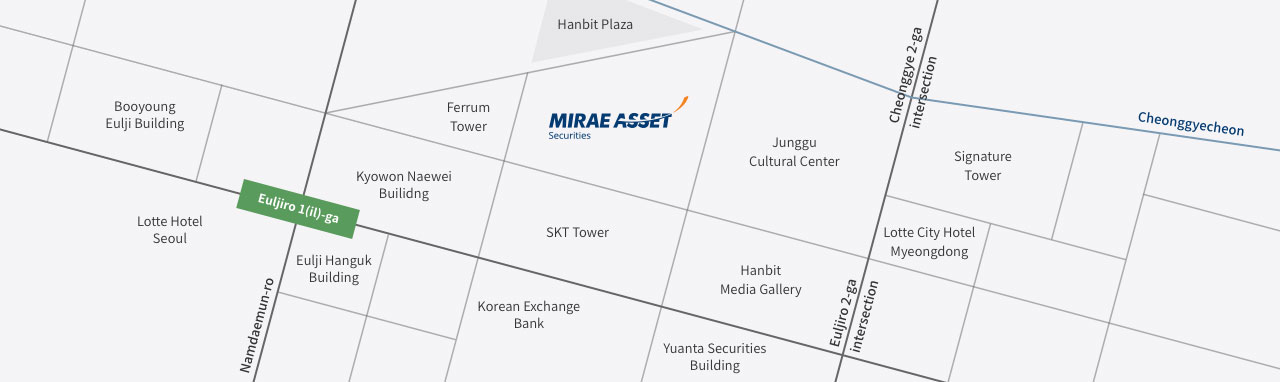
- AddressMirae Asset CENTER1 Bldg, East Tower, 26, Euljiro 5 gil, Jung-gu, Seoul 100-210
Korea (Headquarters)
Greece
Luxembourg
- Mirae Asset Global Investment(SICAV)
Mongolia
USA
- Mirae Asset Securities &
Investments Mirae Asset Securities(NY)
- Mirae Asset Global Investments
- Global X
- Mirae Asset Capital Life Science
- Wealthspot
Vietnam
- Mirae Asset Securities
- Mirae Asset Finance Company
- Mirae Asset Prevoir Life Insurance
- Mirae Asset Global Investments
- Vina Digital Finance Platform
- Grooo International Joint Stock
Company Mirae Asset Alternative
Invetment VietnamMirae Asset Securities
- Ho Chi Minh representative Ofiice
Brazil
Singapore
United Arab Emirates
Mirae Asset Investment Managers
- Dubai representative Office
Ireland
United Kingdom
India
Indonesia
Japan
China
- Mirae Asset Huachen Fund
Management Mirae Asset Investment
Management(Shanghai)Mirae Asset Securitires
(Beijing representative Office)Mirae Asset Securitires
(Shanghai representative Office)
Canada
Colombia
Australia
Hong Kong SAR*
Germany
Global X ETFs - Germany Rep Office
Italy
Global X ETFs - Italy Rep Office
* Special Administrative Region of the People’s Republic of China